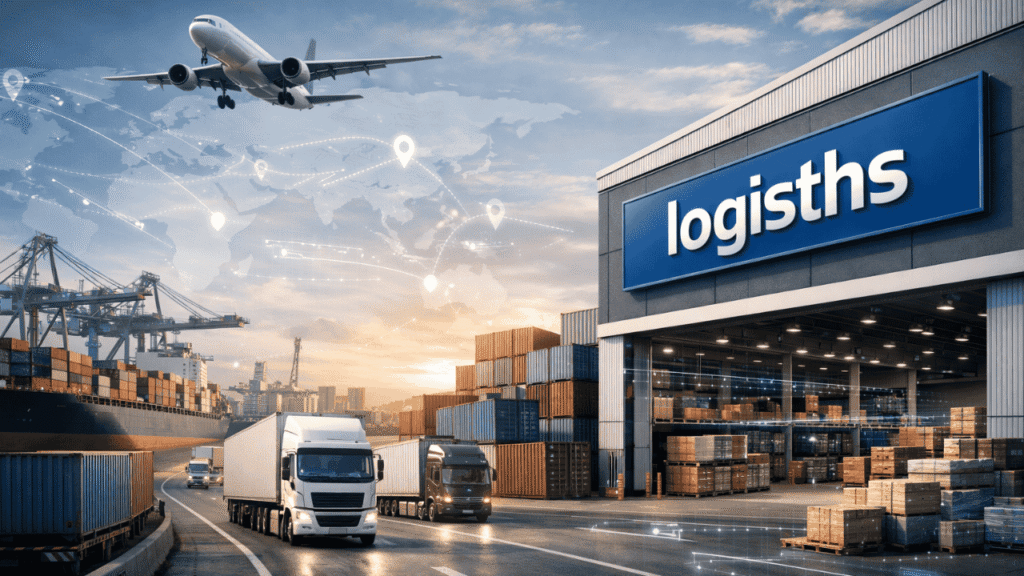

What Are Logisths?
Logisths, a portmanteau derived from the combination of “logistics” and “synthesis,” represent a revolutionary approach to the logistics and supply chain management landscape. This concept emerged as industries sought enhanced methods of integrating and streamlining logistics operations, driven by the need for increased efficiency and agility in a rapidly evolving marketplace. Traditionally, logistics encompassed the comprehensive management of the flow of goods from the point of origin to the point of consumption. Logisths take this a step further by integrating advanced technologies and data analytics to optimize and synthesize various logistics functions.
The significance of logisths in contemporary supply chain practices cannot be overstated. In a world characterized by e-commerce growth and heightened consumer expectations, the efficiency of logistics processes can directly impact a company’s bottom line. For example, companies utilizing logisths may deploy artificial intelligence and machine learning to predict inventory needs, thereby reducing excess stock and ensuring timely delivery. This not only improves customer satisfaction but also minimizes costs associated with warehousing and excess inventory.
Logisths are particularly relevant in complex operational environments such as just-in-time (JIT) inventory systems, where precise timing and coordination of supply chain activities are essential. Additionally, these frameworks facilitate the integration of sustainable practices within logistics, encouraging businesses to explore eco-friendly solutions that meet regulatory requirements as well as consumer demand for sustainability.
In summary, logisths signify a transformative evolution within logistics, merging traditional practices with innovative solutions to enhance operational efficiency, respond to market dynamics, and align with sustainability objectives. Understanding the fundamental role of logisths is vital for professionals aiming to navigate and thrive in the ever-changing realm of logistics and supply chain management.
The Impact of Logisths on Supply Chain Efficiency
In the contemporary landscape of logistics and supply chain management, logisths have emerged as a pivotal factor in enhancing operational efficiency. This collection of technologies and methodologies serves as a transformative force for organizations seeking to streamline their processes and reduce costs significantly. One of the primary areas where logisths have made a considerable impact is through the implementation of advanced data analytics. By leveraging big data, companies can optimize inventory management, ensuring that products are available when needed, thereby minimizing waste and lowering excess inventory costs.
Moreover, the integration of automation technologies within logisths allows for improved throughput and reduced labor expenses. Automated warehousing systems, for example, utilize robotics and artificial intelligence to handle tasks that were traditionally performed by human workers. This transition not only speeds up operations but also minimizes errors, resulting in enhanced service delivery and customer satisfaction.
Several case studies illustrate the tangible benefits of adopting logisths. For instance, a multinational retail corporation that integrated automated inventory management systems reported a 20% reduction in stock-out occurrences, showcasing how sophisticated logisths can improve product availability. Similarly, a logistics provider implementing real-time tracking technologies saw an increase in on-time deliveries, providing further evidence that logisths play a crucial role in operational success.
In summary, the impact of logisths on supply chain efficiency cannot be overstated. Through innovative technologies and strategic methodologies, organizations are better equipped to optimize their logistics operations, reduce operational costs, and ensure a superior service delivery experience. As the logistics industry continues to evolve, embracing logisths will be essential for businesses aiming to maintain a competitive edge.
Challenges and Considerations in Implementing Logisths
As organizations contemplate the integration of logisths into their logistics operations, they often encounter a variety of challenges that can hinder the implementation process. The adaptation to new technology is one of the foremost issues companies face. A shift towards logisths necessitates a comprehensive understanding of advanced software and tools that may be profoundly different from existing systems. This transition can disrupt operations if not managed effectively, underscoring the importance of thorough planning and preparation.
Workforce training is another significant consideration. The effectiveness of logisths heavily relies on the personnel who operate the systems. Employees may need retraining to familiarize themselves with new processes and technologies, which can take time and resources. Moreover, organizations might face difficulties in persuading employees to embrace these changes, leading to potential resistance. Ensuring that staff members are adequately prepared and motivated to adapt is critical for the successful deployment of logisths.
Cost implications also play a crucial role in the decision-making process. The initial investment in logisths technology can be substantial, encompassing costs for new hardware, software licenses, and training programs. Organizations must conduct a comprehensive cost-benefit analysis to assess whether the long-term gains of efficiency and productivity improvements justify the upfront expenses. Interestingly, finding a balance between maintaining operational continuity while embracing innovation is a recurring struggle among industry leaders.
Real-world scenarios demonstrate the varying degrees of success experienced by companies implementing logisths. For instance, some organizations have witnessed transformative improvements in their supply chain efficiency, whereas others grapple with significant teething issues. Expert insights suggest that addressing these challenges collaboratively and strategically will pave the way for smoother transitions into advanced logistics frameworks, ultimately enhancing overall operational effectiveness.
The Future of Logisths: Innovations on the Horizon
As we delve deeper into the realm of logisths, it is imperative to recognize the innovative trends poised to shape the future of the industry. Continuous advancements in technology are creating a paradigm shift, propelling logistics into a new era marked by efficiency, agility, and sustainability. One of the most significant trends is the integration of automation across various logistics operations. Automated warehouses utilizing robotics and artificial intelligence (AI) are transforming traditional paradigms, allowing organizations to streamline processes, reduce errors, and ultimately enhance productivity.
AI is not only revolutionizing warehouse operations but also playing a vital role in supply chain management and forecasting. Machine learning algorithms can analyze vast datasets to predict demand patterns, thus optimizing inventory levels and delivery schedules. This predictive capability minimizes waste and improves service delivery, making logistics more responsive to market needs.
Moreover, sustainability has emerged as a central pillar in the evolution of logisths. Companies are increasingly adopting eco-friendly practices, such as utilizing electric vehicles for transportation, implementing energy-efficient technologies in warehouses, and emphasizing sustainable packaging solutions. These efforts are not merely a response to consumer demands but also align with global initiatives towards reducing carbon footprints and combating climate change.
The future of logisths will also see a greater emphasis on data-driven decision-making. With the advent of the Internet of Things (IoT), real-time tracking and monitoring of shipments will become standard, providing businesses with invaluable insights into their operations. Enhanced visibility not only elevates customer satisfaction but also allows for proactive problem-solving, minimizing disruptions in the supply chain.
In conclusion, the logisths landscape is on the cusp of transformative change driven by innovation, automation, and sustainability. As businesses prepare for these advancements, adapting to emerging technologies and practices will be crucial for maintaining competitiveness in a rapidly evolving market.